Teaching Relationship Education, Sexual Risk Avoidance and the Success Sequence
by Amy Morgan
In 2019, the Texas legislature revised its Texas Education Knowledge and Skills (TEKS) of health information that school districts are required to implement. The new TEKS applied to elementary and middle school grades, with high school being optional. It includes, but is not limited to, instruction in sexual risk avoidance, healthy relationships and marriage, preventing and recognizing abuse, and physical and mental health. The new TEKS were adopted in 2020 and put into practice in 2022.

The Texas Education Code 28.004 states the board of trustees of each school district shall establish a local school health advisory council (SHAC) to assess health education instruction in their district. Many school districts require health education on a variety of topics for students to be eligible to graduate from high school. Although the students “must” be taught the information, they are not held accountable for the material on a standardized test, so many school districts don’t offer a dedicated class or approved curriculum. The unfunded mandate has created a distinct need.
Two organizations have stepped into that gap by providing research-based, medically accurate resources to help students reduce risky behaviors. For more than 20 years these two organizations have been encouraging healthy relationships and marriage by teaching sexual risk avoidance, healthy dating skills, and the Success Sequence with proven efficacy. Both were designed to fulfill the medical and factual requirements of Texas Health TEKS without venturing into speculative areas.
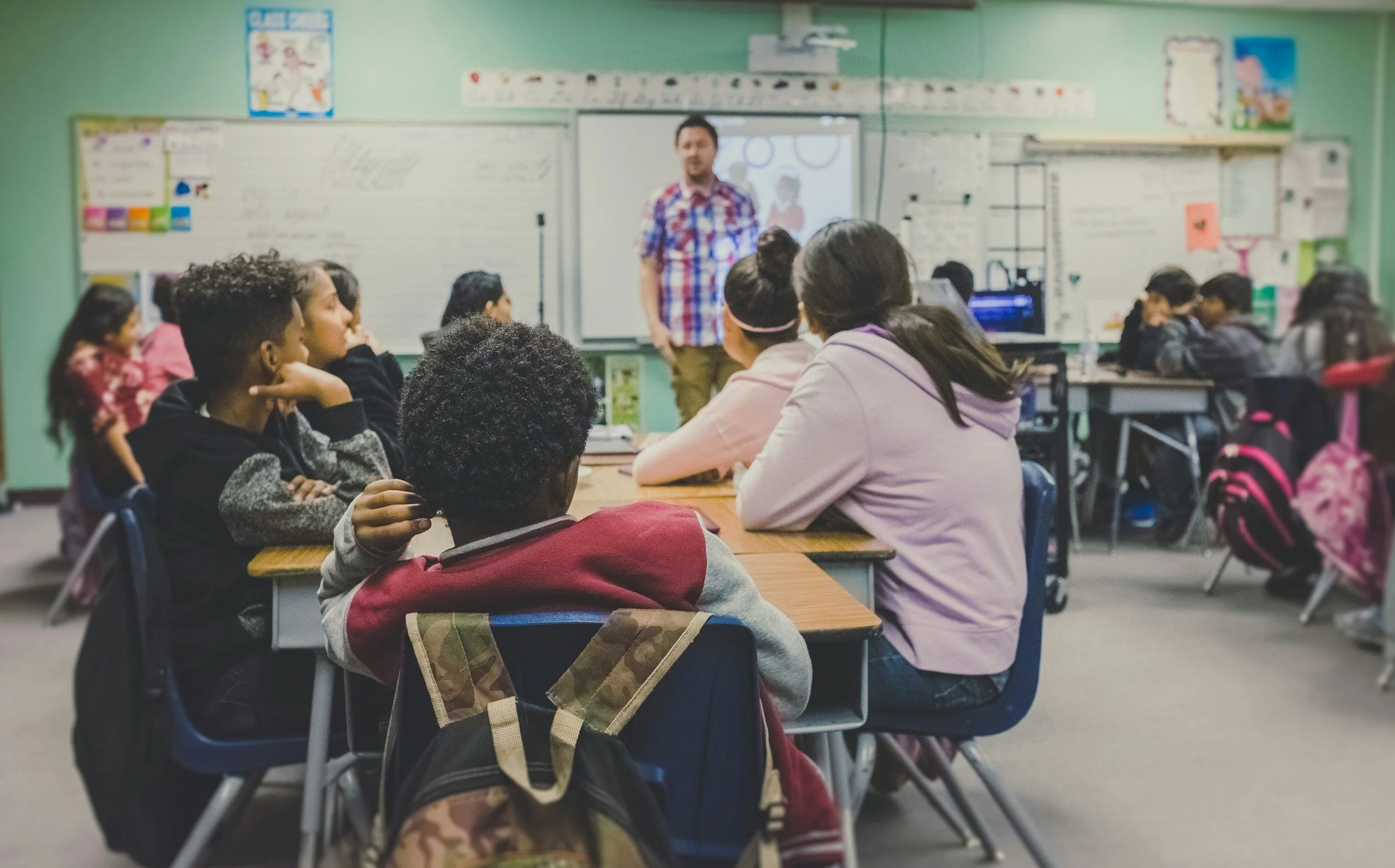
Their instructional formats differ. One program developed a 14-lesson curriculum for grades five through high school and trains existing school staff to incorporate the lessons into a normal school day. The other offers a three-pronged approach of Motivational Experiences (large-scale assemblies), Wellness Education (research-based programs), or an in-school student mentoring model (26 lessons). Both are carefully crafted to cooperate with school districts, school boards, Sexual Health Advisory Councils (SHAC) and welcome parental involvement with ability to preview all information, in accordance with Texas statutes. These powerful programs provide students quality education about optimal health without being politically motivated or agenda driven. Both programs have proven track records of more than two decades of service and are poised and equipped to scale.
YES
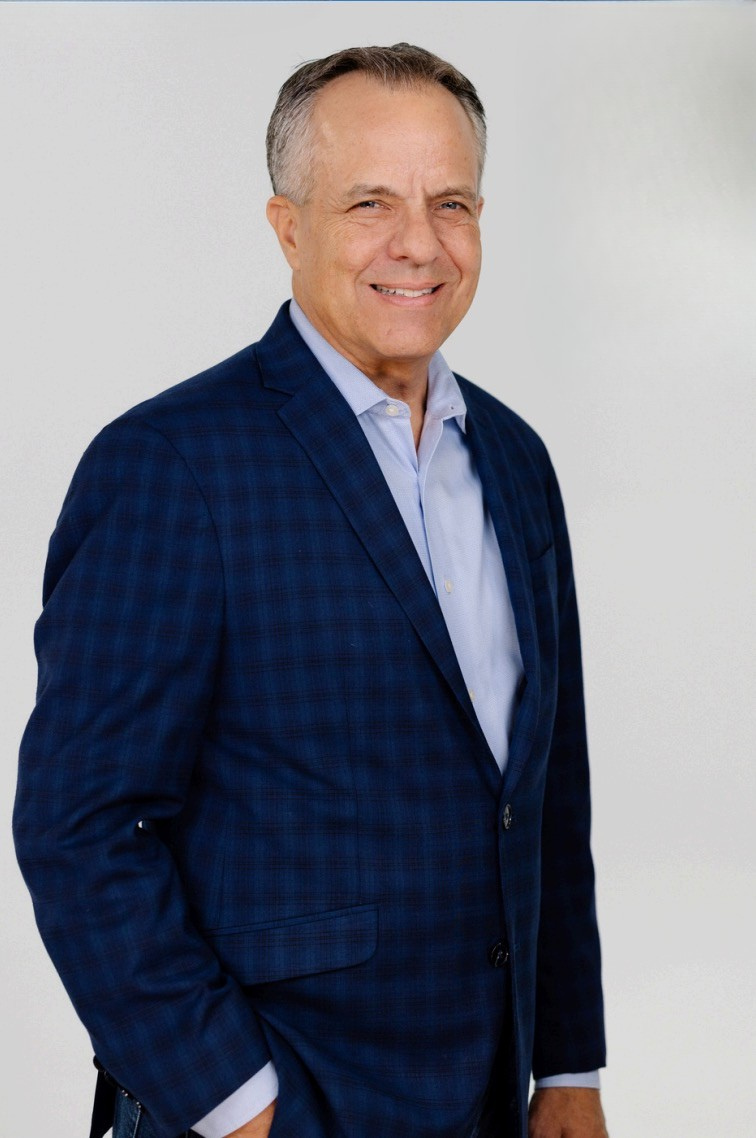
Dan Bailey, YES Founder and CEO
CEO Dan Bailey founded YES in 2002, because “every student needs a bigger YES in their life than the no they are facing.” YES stands for Youth Equipped to Succeed and strives to equip “K-12 students with hope, connection, and the skills to thrive through transformative youth development programs,” says their website, justsayyes.org. The educational non-profit inspires students to reduce risky behaviors through engaging programs that cover 11 different topics in alignment with the Texas TEKS standards, including the Success Sequence, bullying, sexual risk avoidance, mental health, technology and social media safety and healthy relationships. Content is reviewed annually by a professional advisory board to ensure alignment with the most up-to-date credible research and Texas TEKS standards, as well as by a youth advisory board to maintain cultural relevance for today’s students. YES has reached 5.8 million students, parents and educators in the past 23 years.
In the 2024-2025 school year alone, YES reached 276,664 K-12th grade school students. To visualize the annual scope, picture Dallas Cowboy Stadium filled – three times over. YES delivered 1,950 programs, served 563 elementary, middle and high schools (62% of which are designated Title 1) in 122 Texas Public School Districts and Texas Charter School Systems. Districts like Alief ISD, Corpus Christi ISD, Grapevine Colleyville ISD and Forth Worth ISD have partnered with YES on a long-term basis. YES programs also have been given programs in 44 states across the country.
On the largest scale, YES contracts with vetted motivational speakers who inspire students to overcome poverty and homelessness by sharing their own hope-filled stories. YES also has initiated a student mentoring program at four schools in the DFW area to teach leadership, character building and social and life skills.
But the YES program area with the greatest reach is its 60-minute Wellness Education programs given by their own staff of vibrant, highly-trained and appealing speakers. Each delivers an identical, specific, topic-driven presentation that aligns with the Texas Health TEKS, so schools can be confident that when they partner with YES, there will be no surprises. Parents are always given the opportunity to preview materials in advance or attend a live-stream preview, in accordance with Texas statutes.
Schools so value the YES programs they are willing to take kids out of class for a presentation and pay to bring YES speakers back year after year, Dan said. Assemblies and Wellness Education programs cost approximately $7.60 per student, while the twice weekly DFW mentoring programs that run throughout the school year cost $46,000 per campus. (Schools typically cover about $9,000 per program.)
YES has collected more than 45,000 surveys and taken testimonials. Student feedback has been overwhelmingly positive. Many say they weren’t familiar with the material or had never heard it said that way. YES engages students to connect information with a dream and goals to grow value, vision and hope and combat isolation.
“A connected student is a protected student,” is a YES motto. “We want kids to connect with their dreams and goals, their parents, with positive peers. When they are isolated, they feel depressed, alone, like they don’t have value, which erodes their decision-making abilities and leads to destructive choices,” Dan said. Students are floundering without purpose and experiencing skyrocketing depression and anxiety. YES strives to support them and give them a reason to keep on. “We want them to gain an accurate understanding of not only their future but also their inherent value and worth as a person.”
Why Dan became involved: He can intimately relate to the challenge of overcoming obstacles of a difficult beginning to achieve one’s dreams. His mother became pregnant with him and married her high school boyfriend, whom she divorced seven years later – leaving her with no marketable skills and three small children. By the age of eight, Dan had lived in 14 houses in five states and suffered at the hands of his abusive, alcoholic stepfather. Dan moved away to college, married, pursued a corporate career, and started a family. He began volunteering with a pro-life organization to teach abstinence and character-building programs in schools. Dan wrote his own presentation, which became so popular he was asked to teach it to others. He found the ability to impact students so fulfilling he decided to resign from his successful corporate career and devote himself to inspiring youth, beginning in 1999, and ultimately founded YES in 2002.
The Success Sequence
By committing to three key steps – education, career, and establishing a stable family structure – students can lay the foundation for a prosperous future.
Achieve at least a high school education
Obtain a full-time job
Marry before having children
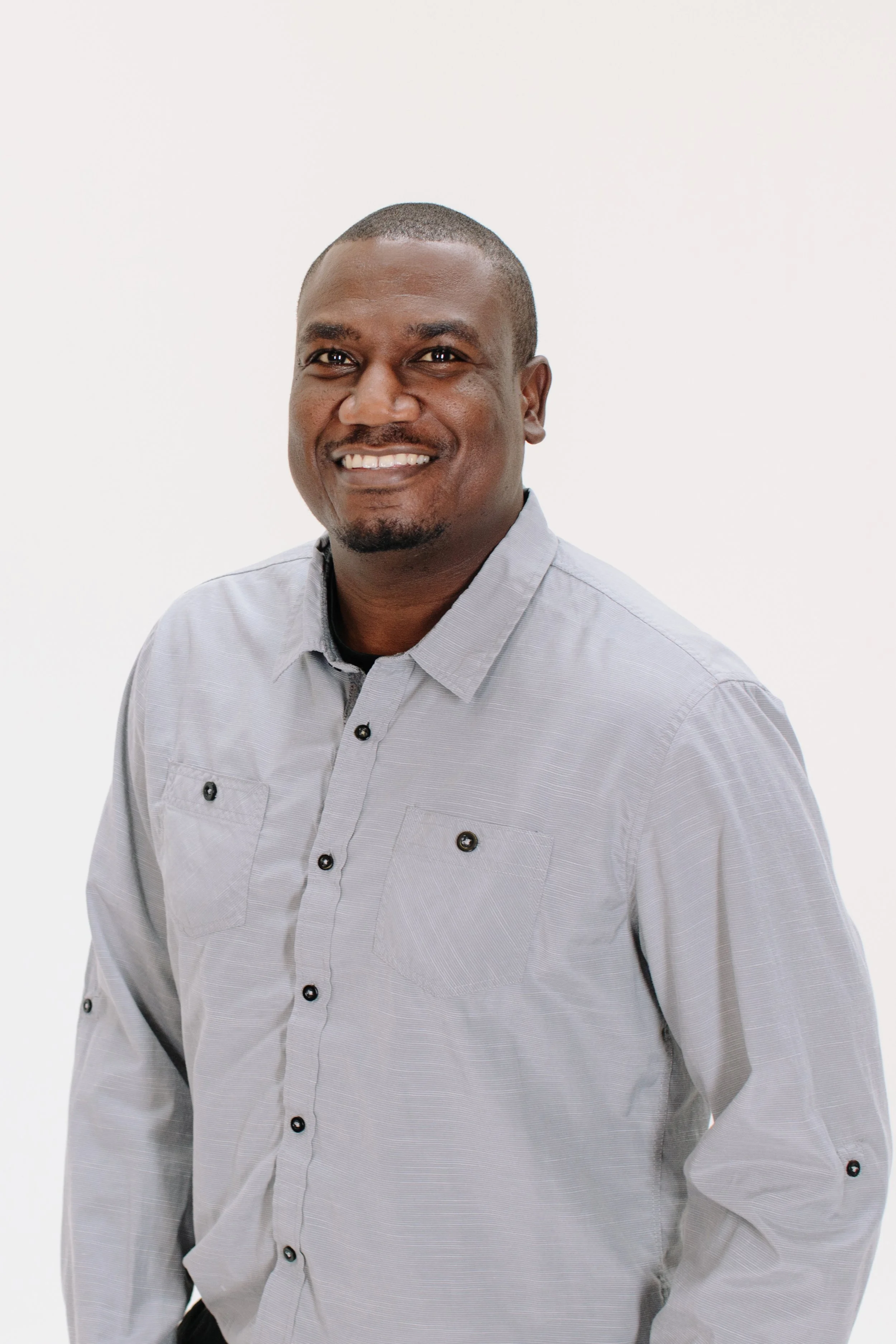
Oliver Crandon, Director of Wellness Education at YES
Oliver Crandon, Director of Wellness Education at YES, is particularly skillful at teaching the Success Sequence effectively. He’s been told, “I’ve never heard anyone say it the way you say it.”
“I frame it as not just following a sequence but looking at who you are becoming as you graduate high school, who are you becoming as you work,” he said.
“I’ve learned that success leaves clues, but many students may not have access to discover them. This powerful message equips students on how they can achieve their dreams and goals by committing to these three steps.”
He approaches the message delicately to ensure students do not feel ashamed if their life or background does not mirror the Success Sequence.
“It cannot be prescriptive, it must be descriptive,” he said, “or they are going to respond with ‘don’t force your morals on me.’” He explains the Success Sequence is a pathway, an economic engine that will lead 97% of those who follow it out of poverty. Oliver’s presentation skills are so effective, he inspired a standing-room only crowd at a recent Weascend.org national conference. “The method and the way the information is delivered matters,” Oliver explained. “It needs to be shame-free, encouraging, uplifting and inspiring. They should feel like even though no one in their family has done this before, it is a viable option for them.” “I can do this!”
YES disagrees with those who suggest the Success Sequence isn’t relatable to students who might never have known a married couple. They quote Mary Anne Mosack, “If we know that marriage helps protect parents and children, but choose not to share that with young people, we’re unfairly denying them important information that could help them thrive – this would be Advantage Discrimination.” “I will not participate in the soft bigotry of low expectations. All students deserve to hear about a pathway that can help lead them towards optimal health and flourishing.”
“The beautiful thing about these students is that they are not as shallow as you think,” Oliver said. “They are really thinking about making an impact. They just need a pathway and the information given to them in a way that’s engaging and fun. They are very eager to receive it.”
He invites questions and anticipates pushback. “It’s not about being perfect to the sequence. It’s about understanding the information and giving yourself the best way to succeed. It’s not a lot of Don’ts – it’s a lot of Dos. See the possibilities of what your future can be.” And he’s found the message well-received even by teens who already have children. Following a program, a student approached Oliver and said, “the struggles are real, but you’ve made me believe I can overcome and still achieve my dreams and goals. This is not the end for me.”
Oliver’s mindset is, “I want students to know that a poor decision does not define the rest of their life. They can make choices that will create whatever future they desire to create.” Parents also are encouraged that it is not hypocrisy to want something better for their children, even if they didn’t make the same choice. Oliver shares that marriage is a greater predictor of income than education – doing things for a partner motivates you to be the best version of yourself.
"Oliver was fantastic! His message and presentation were highly effective through the train-the-trainer model, and our team now feels equipped to put his message into action with the students we serve." – Representative, Michigan Department of Health
“I love the structure of success. It put success into an attainable perspective for me." – 17-year-old student, Garland ISD
Oliver was raised by a single mom after his parents divorced. He realized watching friends’ families how much he missed having a mother and a father attend his sporting events. At his first job after high school graduation, Oliver stopped to talk to another worker as he was leaving for the day. The next morning, he was called into the boss’ office and told that his conversation had saved the co-worker’s life – the man had been planning to commit suicide.
A lightbulb went on: Oliver realized he could use his words to bring life to others, which informed his career choice. He reminds students not to miss moments that might change their trajectory. “I want students to find whatever that is for them,” he said. “Be intentional, not just aimless, and follow a path that is going to help you find your purpose.”
ESTEEM
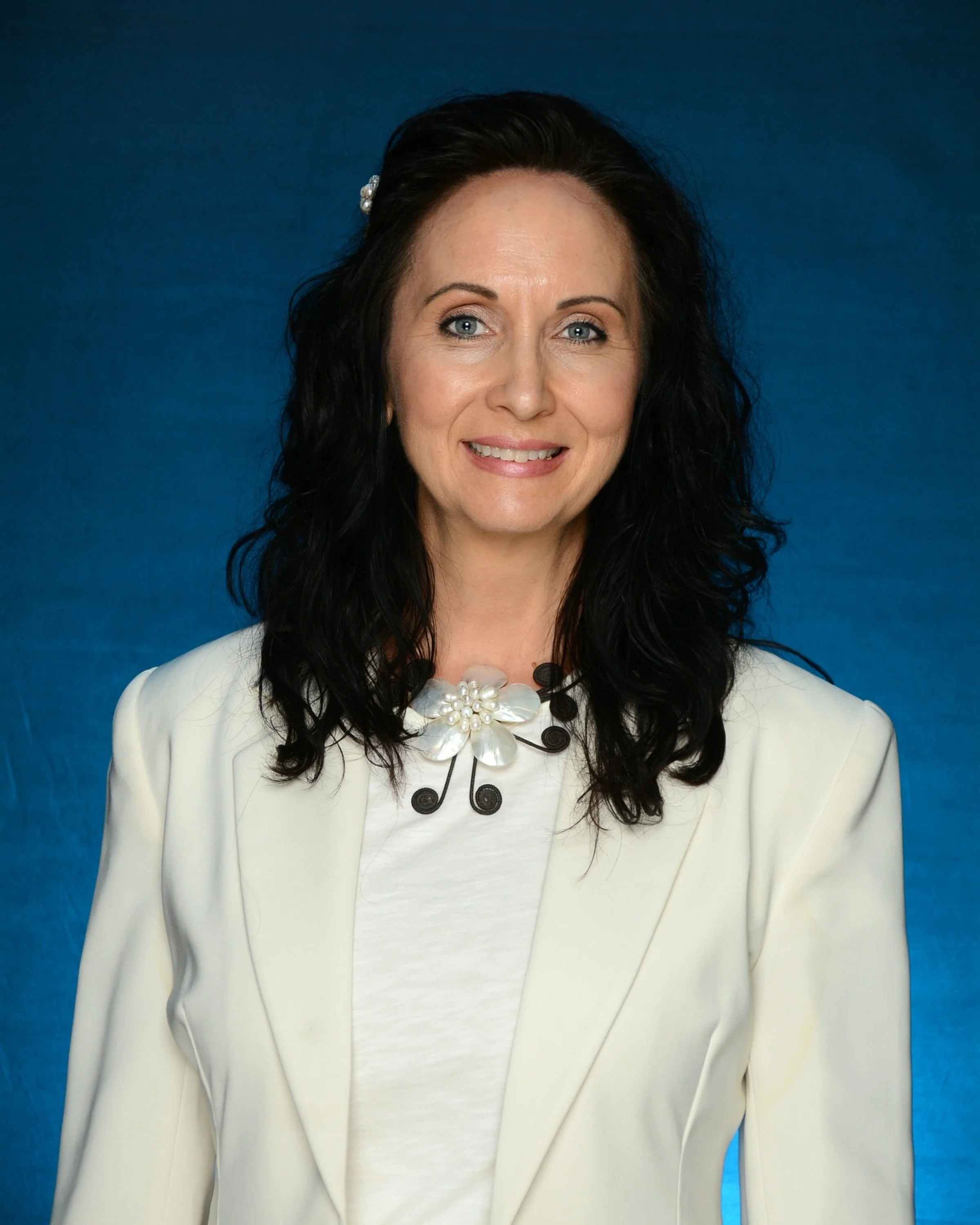
Tonya Waite, President of ESTEEM (Encourage Students to Embrace Excellent Marriage)
ESTEEM (Encourage Students to Embrace Excellent Marriage) was created by President Tonya Waite in 2004. ESTEEM is described as a primary prevention curriculum for optimal health. “ESTEEM takes students on a journey to develop their goals and dreams. Our curriculum adheres to 100% of the TEKS and was created through the collaborative efforts of Texas educators, counselors, coaches, nurses, parents and teens,” according to esteemjourney.com.
Formerly a community volunteer at an HIV organization, Tonya was recruited by a local physician in Longview, Texas, to help the office manage a federal grant in 1999. She saw young students pregnant and presenting with multiple STDs and was motivated to build a coalition of parents, youth, coaches, nurses, counselors and educators to counteract the problem.
Community leaders in her East Texas area who wanted to address risky behaviors noticed Tonya’s efforts. With input from the coalition, Tonya formed ESTEEM in 2004 and developed a 14-lesson curriculum that addresses 12 risky behaviors and promotes nine character-building skills to meet Texas health TEKS requirements in a family friendly way. ESTEEM was designed to be easy and cost-effective for schools to implement.
ESTEEM now works with 82 districts in Texas and reaches more than 30,000 students a year in Texas, Idaho, Wyoming and Kansas. The ESTEEM curriculum is available in English and Spanish. Workbooks cost between $5/6 per student. The teacher materials/leader kit are between $85/$125 per leader per grade. The cost for a training is approximately $1000/day, and Tonya plans a schedule that allows multiple schools to share the cost. The coalition reviews feedback from participating districts every three years and updates material.
Content is divided into two interactive student workbooks that correlate with parent worksheets and easy-to-use teacher manuals. The program offers separate, grade specific material for 5th, 6th, 7th, 8th, and high school. Non-sensitive topics like nutrition, career choices, communication, drug and alcohol use, healthy friendships, media influences and physical activity are presented in Workbook A, while more sensitive topics like bacterial and viral diseases and human and fetal development are presented in Workbook B. Differentiating between the two allows parents to easily decide whether they’d prefer their child to opt out of a single or group of lessons.
ESTEEM staff members train district personnel and/or adjacent professionals to present the lessons - working them into existing classes eliminates the need for a separate course. A leader kit includes a checklist to keep parent permission and staff assignments organized. Counselors may present the lesson on healthy and unhealthy relationships and conflict resolution, nurses are tapped for the human development lesson, PE coaches often address nutrient rich foods and exercise. School Safety Resource Officers may be the choice to teach about gangs, weapons, abuse and trafficking. If the school has a CASA or a campus liaison with a drug or alcohol awareness program, they may enlist that representative to teach a lesson. Other topics include character traits, benefits of a healthy marriage and the Success Sequence.
One example of how ESTEEM incorporates the Success Sequence in the 5th grade workbook, which introduces it as a way to reduce poverty and raise a student’s level of success. They ask students to dream of their future and write down three positive goals for their lives.
Schools can choose whether they’d like their students to participate in an anonymous survey that asks questions like: Do they understand the Success Sequence? Do they understand marriage is the best place to raise children? Tonya reports a 55-70% increase in all measures pre to post lesson. One of the largest increases is the response to survey question 3, which asks whether students agree with, “I can create personal life goals that follow the Success Sequence I learned about in the ESTEEM program.”
“This tells me they are really paying attention to the concept that no matter what their background, they can have hope to change their future and have a healthy family,” Tonya said.
ESTEEM has surveyed more than 500 trained teachers in the past three years. They ask for feedback on ESTEEM’s impact on the school and what they can improve. A ninth-grade teacher reported seeing a marked change in behavior in students after the healthy communication and apology lesson. Another message that was well received was the lesson on goal setting. Parents are appreciative of the Continuing Conversations worksheets that help them start conversation about sensitive topics or in areas like digital safety in which they don’t feel well informed.
A no-shame, hopeful message invites sexually active teens to consider making a promise of renewed abstinence to themselves. Language includes - “You don’t have to keep putting yourself at risk.” “You can have a course correction.” “Just because you’ve done something once doesn’t mean you have to again.” - and gives them the freedom to say no or start over.
What does teaching about family stability mean long-term? Higher GPAs, math, reading and science scores, Tonya said. Better Business Bureaus and Chamber of Commerce members also laud ESTEEM’s teaching of soft skills like communication, problem solving and healthy relationships, as learning those skills builds a generation that’s socially and relationally ready for the stressors of a job, Tonya added.
Why did Tonya become involved? She started volunteering at a local homeless shelter when she was a young teen and was struck with the desire to help people have the ability to make better choices. She believes stable students with healthy family formation will make all communities safer and more prosperous. “We want to give them the freedom to form their own positive legacy for their future.”
“I believe the JH grades are the most vulnerable times for students. This is a time when the students are wanting to make grown up decisions without grown up experiences and judgment. Risky behavior can be curbed with the appropriate type of education and by giving students the knowledge that not every student does or participates in all the activities they may say they do.”
– Dr. Bobby Rice from the ESTEEM website
Some of the TEXAS Health TEKS ESTEEM and/or YES fulfill
TX 2020 Health TEKS 100% HB 3908 Sept. 1, 2023, Fentanyl and drug poisoning education
TX Code 37.0832 Jan. 31, 2023, Bullying prevention
TX Code 38.351 Components of Mental Health
SB 279 May 26, 2021, Suicide prevention info on ID cards
SB 9 Aug. 31, 2021, Child abuse, family violence, dating violence, sex trafficking
SB 123 Sept. 1, 2021, Social and emotional character traits
HB 1525 Sept. 1, 2021, Human sexuality instruction
28.004 Title 2 public education any course material on human sexuality instruction
Tx Law on Abortion HB 1280 Aug. 25, 2022