State Marriage Support: Featuring Oklahoma and Utah
State Initiatives to Promote and Enrich Marriages
By Amy Morgan
As marriage rates fall across the county, states are increasingly open to ways they can promote marriage and support couples within their state.
In 1996, leaders across the country as well as in Washington D.C. overhauled the nation’s welfare program to prioritize work, marriage and family as a way to reduce poverty and government dependence. The revamped welfare program - Temporary Assistance for Needy Families (TANF) - included marriage and healthy family formation among its official purposes and gave states permission and flexibility to pursue these goals.
Since the 1990s, both Utah and Oklahoma have utilized their federal TANF dollars to fund state-wide marriage efforts to support their couples and families, but in different ways and amounts.
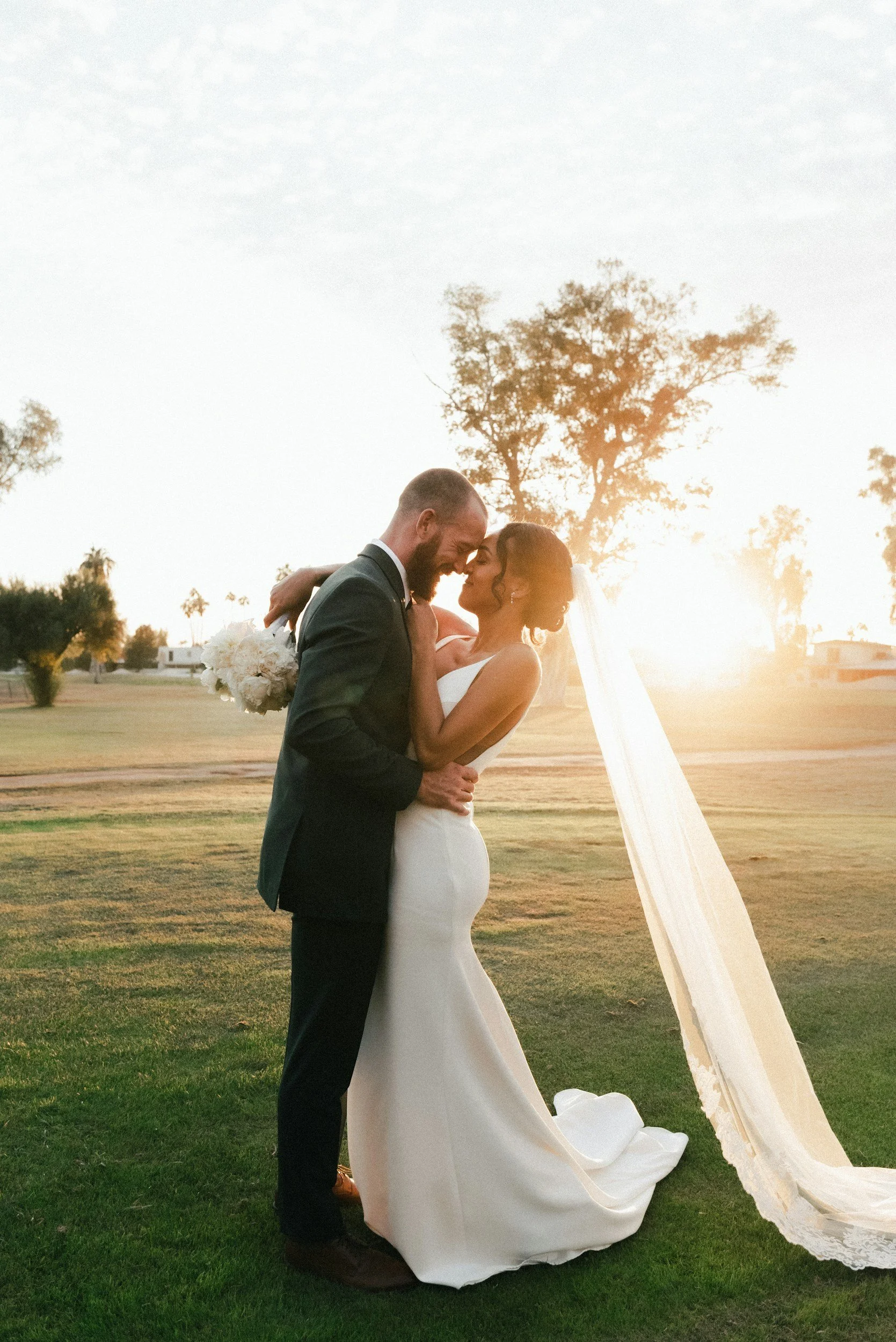
These two states have led the way in implementing widespread marriage and family strengthening efforts. Interested policy makers can learn much from those that have pioneered broad, state-wide efforts to support healthy family formation and reduce family fragmentation.
Key to the success of Utah and Oklahoma’s marriage programs was support from their Governors’ offices. Both efforts received endorsements that sustained these initiatives despite changes in leadership and political party. High profile backing from Governors and First Ladies enabled Utah and Oklahoma to bring together groups of respected leaders including legislators, social scientists, researchers, members of the media and business community to develop and implement strategies to increase the number of children raised in intact families.
While both states’ programs have similar goals, their process, implementation and deliverables are different. Each approach reflects the vision of the program’s architects as well as the unique needs of their state population.
Oklahoma Marriage Initiative
In 1998, an economic report on Oklahoma was published that suggested a link between the state’s economy and its family structure. Oklahoma ranked among poorer states, due in part to its comparatively high divorce rate and number of fragmented families. In 1999, Governor Frank Keating declared in his State of the State address that he was committed to reducing the state’s high rate of divorce and out of wedlock birthrate because economists had found they were contributing to the state’s lagging economic performance. He declared a bold goal of reducing the divorce rate in Oklahoma by one-third by the year 2010.
Governor Keating gave public recognition to the issue and brought together approximately 200 Oklahoma leaders to a Governor and First Lady’s Conference on Marriage in March 1999, a day-long brainstorming session to cast a vision for a multi-sector approach to improving family stability. Leaders were invited who represented various sectors – the business community, policy makers, representatives from social service agencies, criminal justice, faith leaders. Several of the keynote speakers, including renowned marriage speaker Gary Smalley, presented the accumulating evidence of the negative effects of father-absence and single parenthood on children and of the benefits of marriage for children and adults alike. This information exchange laid the groundwork for widespread state interest in the concept of a formal Oklahoma Marriage Initiative (OMI) to strengthen marriage and reduce divorce.
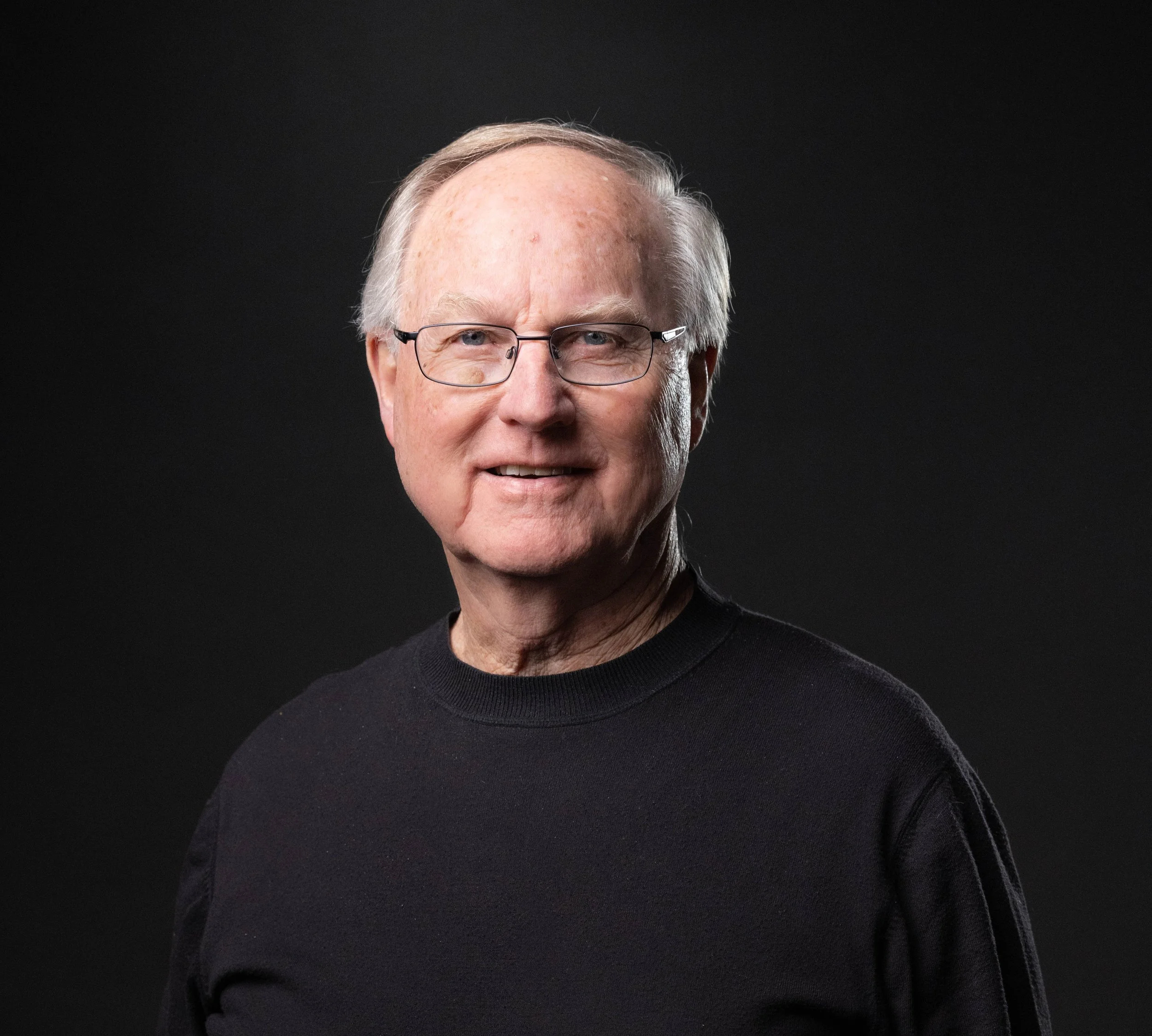
Dr. Jerry Regier
The Governor then enlisted his Cabinet Secretary for Health and Human Services, Dr. Jerry Regier, to take the lead.
Secretary Regier was intent on building a structure and delivery system that would provide meaningful marriage support services for couples and families. Although as a cabinet secretary he was overseeing 13 Oklahoma departments, Secretary Rieger was not convinced that a single state agency could implement a program of the scope he imagined. He was concerned about the fledgling OMI’s ability to deliver services, be sustainable and have longevity. Secretary Regier had been impressed with the work of Public Strategies, Inc. (PSI, a private, for-profit public relations firm), which had run other state-funded projects. President/CEO Mary Myrick “was an innovative thinker and somebody who would get the job done,” he said. From the outset the OMI was designed to be a public/private partnership, guided by high-level leadership and strong operational, day-to-day management.
The department initially used $250,000 in TANF funds to contract with PSI to develop and manage the multisector collaboration. “The principal tasks of the first two years were to set up an organizational structure, establish legitimacy and credibility, define the scope of the initiative and outline a strategic plan. This involved numerous meetings and widespread consultations, developing relationships with various agencies and interest groups,” according to a 2005 document titled Oklahoma: Leading the Way that gives an overview of the OMI’s work from 1999-2005.
In 2000, Secretary Regier convened a group of experts on marriage and relationship skills, education and family policy to serve on a research advisory group. The group, which continues to meet annually, was tasked to provide the Initiative with research-based guidance regarding curricula, program design and implementation. This strategic planning laid the foundation for OMI’s future success. Members of the research group, in partnership with Oklahoma State University’s Bureau for Social Research, designed and completed the first state-of-the-art, comprehensive statewide survey on marriage, with findings published in June 2002.
Findings included:
Oklahomans marry more and divorce more than the nation as a whole.
Oklahomans marry an average of 2.5 years younger than the national median age at first marriage.
A large majority of Oklahoma adults (82 percent) feel a statewide initiative to promote marriage and reduce divorce would be a good or very good idea.
Oklahomans expressed interest in relationships education: 66 percent would consider using relationship education to strengthen their relationships. Interest was particularly high among young persons (77 percent) and low-income persons (72 percent).
Over 2/3 of Oklahoma adults (69%) thought divorce to be a very serious national problem.
The survey data helped the state understand its unique issues with respect to marriage and divorce (such as its low average age at first marriage) and guided the Initiative toward certain interventions (such as marriage education for high school students). It also provided a “baseline” snapshot of marriage and divorce as the OMI began. The OMI has subsequently commissioned other data collection to help refine implementation, such as surveying workshop leaders to learn about barriers to providing marriage education. Another survey documented relationship issues faced by lower income populations, leading to the development of a program designed specifically for low-income expectant parents, “Family Expectations.”
The OMI then focused on building statewide capacity to deliver instruction in marriage and relationship skills. They looked at existing delivery mechanisms, and found the extension services of the land grant university system particularly helpful. They also connected with Oklahoma’s community college and trade college systems, the OK Health Department, HHS, and faith leaders.
Oklahoma blended two models for supporting healthy marriage. “One model, commonly called community saturation, seeks to blanket a community with messages about marriage and foster widespread interest in seeking ways to strengthen marriage. A second model focuses on targeting services to specific populations. The OMI aims to encourage people to prepare consciously for marriage through relationship skills education and, for those already married, to seek help before marital problems or thoughts of divorce become deep-seated,” from the December 2006 U.S. Office of the Assistant Secretary for Planning and Evaluation Brief titled: The Oklahoma Marriage Initiative: An Overview of the Longest-Running Statewide Marriage Initiative in the U.S.
With a robust implementation strategy, a dynamic public/private leadership team and research support, the OMI next needed to select a curriculum. Research has shown that success in marriage can be learned, and that certain programs and tools can help couples learn the attitudes and skills to communicate effectively, resolve conflict constructively and handle other problems that, if unchecked, could lead to divorce.
The hope of the OMI is that marriage instruction will lead to specific behavior change at the individual level—for example, by helping distressed married couples address their issues and avoid divorce and by preparing engaged couples for marriage.
“After extensive exploration of various programs, the OMI selected PREP® (the Prevention and Relationship Enhancement Program) to be the state’s curriculum because it had the strongest research basis, had been used extensively throughout the U.S. (including in the military) and had the most promising evaluation findings,” as stated in Oklahoma: Leading the Way.
OMI began offering PREP training to many different state agencies and community-based groups – both paid and volunteer. These included DHS, Health Department, Corrections, Social Services, school guidance counselors, Association of Youth Services, marriage and family therapists, mental health professionals and members of the faith community. The OMI also developed a training strategy for DHS frontline workers and other referral sources to build awareness and encourage referrals. Secretary Regier sought to train as many public agency staff as possible in the PREP curriculum to build good will and create momentum and awareness of OMI’s efforts. Once they were familiar with the PREP program, public employees could direct their clients toward evidence-based relationship tools as well as offer ready-made support networks.
Public Strategies also helped OMI develop community-level events such as Sweetheart Weekends to increase awareness of and exposure to PREP materials.
Due, in part, to research identifying some of Oklahoma’s at-risk populations, OMI created outreach programs specifically targeting these groups. High School Family and Consumer Science teachers were trained to deliver PREP’s Connections material. The Oklahoma Association of Youth Service adopted the PREP curriculum as the core material for their First Time Offender Program. The Oklahoma Department of Corrections adopted PREP as an official agency program with a primary focus on serving those within one year of release. Oklahoma’s DHS provided PREP to couples adopting children through the agency. And in the spring of 2005, PREP finalized a new curriculum titled “Within My Reach,” with the goal of helping low-income singles realize their goals in relationships.
Avoiding pitfalls:
“An important piece in counteracting skepticism is pointing out that whatever one’s personal experience with marriage, research shows children benefit when raised by two parents in stable, healthy marriages,” from Oklahoma: Leading the Way. “Secretary Hendrick’s (who succeeded Secretary Regier) decision to invest heavily in developing preventive services that were skills driven—and in insisting on putting the services in place before launching a public communications campaign—has also helped to garner support from many of the original skeptics. Another constituency that has been critical of marriage initiatives in other states has been the domestic violence community. However, the OMI involved the state domestic violence leadership from the beginning in continued dialogue.”
Lessons learned:
Set realistic, measurable goals.
Build a multi-sector approach to foster broad involvement.
Commit reliable funding (from federal TANF funds and/or state general fund).
Involve the Governor or cabinet-level Secretaries to provide ongoing leadership.
Attract committed bi-partisan support.
Assign ongoing management to an organization outside of government.
Invite and involve potential skeptics from the beginning.
Acknowledge the complex realities of families' lives.
Make a realistic assessment of available resources, opportunities and expertise and build on these.
Build on the best research available.
Commit to a process of continuous self-assessment and mid-course corrections.
Results:

By 2016 the Oklahoma Marriage Initiative counted 450,000 Oklahomans reached through their services and programs. The work in Oklahoma has continued under multiple administrations and evolved to meet the needs of its Department of Human Services funding agency to include fatherhood, parenting, and financial capability. Since 2023 following a renewed emphasis on relationship education, OMI has served another 12,000 participants under the trade name Familyhood. The title of Oklahoma Marriage Initiative was dropped around 2018 in favor of using the name Familyhood to represent the broadened approach to helping families (and marriage) thrive.
Utah Marriage Commission:
As in Oklahoma, in the late 1990s, leaders in Utah became increasingly concerned about the institution of marriage in their state and started looking for ways to help couples form and stay in healthy marriages. In particular, the First Lady of Utah, Jackie Leavett, wife of Governor Mike Leavitt, lent her support to the Governor’s Initiative on Families but felt the need for a specific emphasis on marriage. She recruited scholars from leading universities in Utah, including Brigham Young University Professor Dr. Brent Barlow, to form the Utah Marriage Commission (UMC).
Since 1998, the UMC has publicly guided state efforts. The UMC is led by a volunteer group of marriage scholars, practitioners, and other professionals appointed by the Governor and reporting to the state Legislature to develop policy initiatives and educational resources to strengthen marriages and families in Utah. In addition to scholars, UMC leadership also includes five state legislators representing both chambers and parties. Utah was the first state to have an official state commission focused on strengthening marriage, according to the UMC website, strongermarriage.org.
The Governor’s office hosted the commission until 2004, when it was transferred to the Department of Workforce Service in Utah in order to take advantage of federal TANF funding that came through DWS each year. Since one of the stated purposes of TANF is to strengthen marriages and increase the number of children raised in stable, two-parent families, the UMC began receiving an annual appropriation of TANF funds. (Currently, they receive about $300,000 in TANF funds per year.)
Dr. Alan Hawkins
In 2013, the Utah Marriage Commission was codified in Utah State statute (63M-15) and transferred to the Department of Human Services, where it continued to be supported with federal TANF funds. The legislators serving on the commission at that time were instrumental in writing and passing the legislation, which helped institutionalize the mission and purpose of the UMC. “This gave us more ballast,” said Dr. Alan Hawkins, a leading scholar on relationship education who has been active with the Commission since 2004. He chaired the Commission twice before retiring from Brigham Young University in 2023 (after 33 years of teaching and research) to manage the day-to-day work of UMC as a capstone to his academic career.
“Being officially recognized in statute also gave the UMC ability to enlist support from other parts of the government,” he said. During its early years the UMC promoted marriage mainly by hosting conferences for marriage counselors and educators, as well as the general public, that highlighted the importance of marriage and taught key skills. The commission funded presentations by highly respected researchers like Dr. John Gottman, Dr. Hawkins remembered.
In 2018, legislation was passed that carved out $20 from online marriage license fees to further fund the UMC. Then, in 2021, the commission’s leadership decided that the UMC would be a better fit as part of Utah’s State University Extension, as it aligned with their mission to “translate research into programs and resources to improve the lives of individuals, families, and communities throughout Utah.” HB 55 moved the UMC under the auspices of this land grant university – a change that proved fortuitous, as the UMC and Extension service developed “a real synergy,” according to Dr. Hawkins. Dr. Brian Higginbotham, professor and former associate vice president for Extension at USU, was enthusiastic about hosting the Commission’s work. Dr. Higginbotham had served previously on the UMC and understood its mission. And he was an active practitioner-scholar providing relationship education in the state and researching its effectiveness.
The UMC has continued to flourish under its new leadership. In the past five years, its most significant accomplishment has been to, “come into the 21st century and make relationship education resources available online,” Dr. Hawkins said. UMC members have worked tirelessly developing curricula to disseminate digital marriage strengthening resources online. These resources are free for Utah residents. Resources include podcasts, webinars, online assessments, blog posts and more than 120 quick lessons on improving communication skills, forgiveness, wedding planning, parenting skills, and personal well-being, among other topics. More than a dozen e-courses cover topics from Dr. Hawkins’ divorce information course for parents to pre-marital education and marital skills. When he couldn’t find a re-marriage curriculum that measured up, Dr. Hawkins enlisted expert professor Dr. Jeremy Boden to create one. Courses not only contain proven, evidence-based research and skill-building tools, they also adhere to best practices of online adult education.
“This is one of the most significant things we have done,” Dr. Hawkins said. “These e-courses are extremely well-designed, high-quality resources.” (found at strongermarriage.org)
Another benefit of online resources is that the UMC can easily track their use. Each hit, visit, time spent, return visitor, can be quantified. Since the UMC began tracking they’re seeing a steady increase in online traffic. In an eight-month period, their website saw:
38,477 downloads - Stronger Marriage Connection podcast, with 176 episodes.
1513 attendees – Stronger Marriage Webinar series
2020 registrations – Relate/Ready relationship assessments
481 registrations – Marriage Ready e-course
1.6 million views - YouTube
Now that the online courses are up and running, the next step is to track measurable benefits from use. Are divorce rates declining? Are more couples preparing effectively for marriage or remarriage? Are more couples marrying rather than cohabitating?
Dr. Hawkins is eager to share Utah’s resources. “We have all this great curriculum. Now our goal is to become a really savvy marketing organization that knows how to get the word out. We have great materials that are solidly research based. We want to be a known resource that people return to regularly,” he said. The UMC recently tapped a new chairperson with skills in communications and hired a marketer. They’re enlisting influencers, podcasters and social media personalities with a strong presence in Utah to help them drive users to the website.
A 2020 U.S. Congressional report, A Policy Agenda for Social Capital, produced under the direction of Utah Senator Mike Lee articulates this objective clearly. “The long-term goal is to make StrongerMarriage.org the go-to, one-stop resource center for Utah couples in all stages of relationships and in all different circumstances.”
Dr. Hawkins is delighted to share with others. In creating the content, UMC deliberately refrained from making the material Utah-specific. While out-of-state users do pay a modest fee for most of the e-courses, he’s hoping other states will consider linking to it and/or licensing Utah’s content for their own population. “I’d love to build an arrangement to make resources available to them,” he said. He noted that many of the shorter resources are free for all.
“Utah is an interesting model,” Dr. Hawkins said. “We are getting smarter, better, and more effective. We would love to see other states look at our 28 years of experience and see how we can be of real benefit to them.”
The UMC is funded with a modest budget, Dr. Hawkins added. They may tip past $1 million for the first time if their revenue from podcast advertising and marriage license fees continues to grow. The UMC continues to receive $300,000 each year in TANF funds, and this year they anticipate receiving about $500,000 from marriage license fees. They have received several state grants through the extension system and been able to generate some funding via YouTube, podcast advertisements, and a few small donors.
Dr. Hawkins stresses the importance of having legislative and executive backing – including legislators who really believe in the mission and the support of former First Lady Jackie Leavitt. “She knew everybody!” Dr. Hawkins said, “and she was instrumental early on in getting key legislators to be a part of what we do.”
“I just love that we are a formal part of the Utah state government. We are not an ad hoc committee. We are an important entity to monitor and improve the marital infrastructure in the state.”
He noted that the support of one of the legislators, a Commission member at that time, was critical in getting a bill passed that gives a marriage license discount to couples who complete pre-marriage education. “Those champions who use their political capital are really important,” he said.
He cautioned those interested in following Utah’s example to be careful about the intersection of church and state. “There’s a very strong current of concern about mixing the secular and religious in Utah,” he said. “We’re very compatible with faith, but we keep a pretty high wall between state and religion, so we don’t push buttons and trigger opposition.”
Lessons learned:
1. Find a political champion. Connect with legislators and recruit support within the governor’s office.
2. Build connections and partnerships with like-minded offices, groups and service providers. The UMC has been strategic in creating ties with Utah’s newly-created Office of Families. The newly appointed head of that office participates in the UMC and “depends on the commission to repair the marital potholes and take care of the marital infrastructure,” Dr. Hawkins said.
“We needed some entity that can take responsibility for marriage strengthening in the state, otherwise it falls through the cracks, and you are doing intervention instead of prevention,” Dr. Hawkins said.
3. Develop relationships with marriage and family therapists to distribute resources as widely as possible. UMC is nurturing a fruitful relationship with the Utah Association for Marriage and Family Therapy, a group of 500+ trained counselors that work daily with Utah couples. And they have partnered with the County Clerk Offices scattered throughout Utah to provide a printed ‘Marriage Handbook’ to couples getting their marriage license.
Every state is going to be different, but, “Utah is noteworthy for its public policy efforts to help Utahns form and sustain healthy, stable marriages, a crucial element of the social capital that undergirds strong communities and societies,” states A Policy Agenda for Social Capital. “Utah is unique among states in supporting for nearly 25 years a state-level public policy effort – now embedded in statute – that provides relationship education services and marriage-strengthening activities to its citizens... UMC promotes a meta-message that healthy and stable marriages are a result not of luck or simple compatibility, but of commitment, learning, work, and growth.”
Like Oklahoma, leaders in Utah believe that success in marriage can be learned and that there are programs and tools available to help. However, as stated in Oklahoma, Leading the Way, “Each program is somewhat unique, and success requires an understanding of your target population and the needs of your state or community.”

As state leaders and policy makers consider differing approaches, it may be worth considering current trends and technology. When Oklahoma was first building its structure and program delivery mechanisms 25 years ago, the in-person model was normative for relationship education. This model seems well suited for classes offered in schools, churches, prisons and government centers. Meanwhile, so much content has pivoted to online delivery in recent decades. Utah’s approach features an accessible website filled with robust marriage and parenting information available on demand and at no, or low, cost to users.
Driving demand also is crucial. It does no good to offer resources – high quality though they might be – if no one knows about them. Any online effort must be accompanied by a strategic marketing and publicity campaign aimed at couples, referral organizations and front-line workers to promote these resources and support.
Much of the groundwork has already been laid. States considering their own offerings would do well to glean from the experience of those who’ve blazed the trail before them – perhaps partnering to gain access to proven resources and spending precious funds on raising awareness rather than reinventing the wheel. Either way, endorsement from a political champion remains vital.